
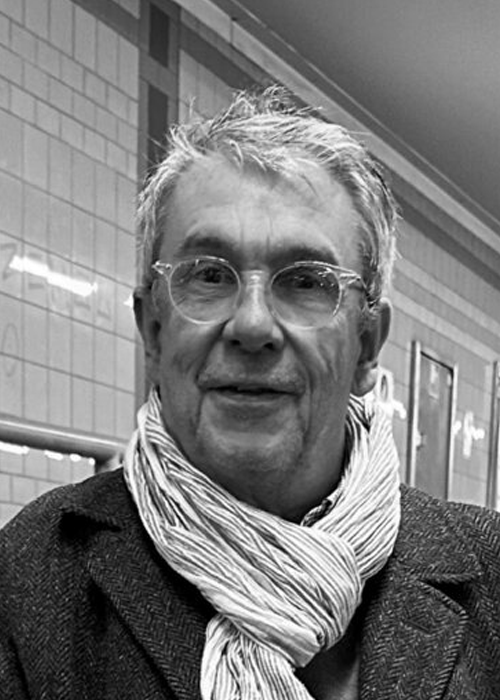
Bruno Gerard's research is characterized by its broad scope and interdisciplinary approach, focusing on several critical areas within agricultural science and environmental sustainability. His work spans multiple continents and addresses diverse challenges in agricultural systems, emphasizing sustainable practices, technological innovations, and climate resilience.
Sustainable Agriculture and Intensification
Gerard's research frequently explores ways to sustainably intensify agricultural production, particularly in resource-limited settings. This includes the development and promotion of conservation agriculture practices, which aim to increase productivity while preserving soil health and reducing environmental impact.
Nutrient Management
A significant portion of Gerard's work involves optimizing nutrient management in various cropping systems. This includes studies on nitrogen management using simulation models to improve crop yields and reduce environmental degradation.
Agro-Climatic Risk Management
Gerard has investigated strategies to mitigate agro-climatic risks, particularly in the Sahel region. His research includes the use of spatial dispersion of fields to reduce the impact of variable climatic conditions on crop production.
Crop-Livestock Integration
Gerard's work often addresses the integration of crop and livestock systems, which is vital for improving food security and livelihoods in mixed farming systems. This includes studies on livestock feeding strategies and the benefits of integrating livestock into crop production systems.
Remote Sensing and Precision Agriculture
He has contributed to advancements in remote sensing and precision agriculture, using high-resolution imagery to monitor crop growth, assess soil health, and guide agricultural management decisions. This technology-driven approach helps in optimizing resource use and improving agricultural efficiency.
Climate Change and Environmental Impact
Gerard has explored the impacts of climate change on agriculture and the potential of various agricultural practices to mitigate these impacts. His research includes evaluating the carbon sequestration potential of different farming practices and understanding how climate change affects crop productivity and resilience.
Technological Innovations in Agriculture
His research includes evaluating the adoption and impact of agricultural technologies, such as mechanization and digital tools, particularly in developing countries. This work aims to enhance productivity, reduce labor demands, and support sustainable farming practices.
Genetic Diversity and Crop Improvement
Gerard has also worked on understanding and preserving the genetic diversity of key crops like millet and sorghum. His studies contribute to crop improvement efforts and the development of varieties that are more resilient to environmental stresses.
Socio-Economic Aspects of Agriculture
His interdisciplinary research often intersects with socio-economic analyses, exploring how different agricultural practices and policies impact rural livelihoods, food security, and economic development. This includes assessing the trade-offs and benefits of various agricultural interventions.
Conclusion
Bruno Gerard's research portfolio reflects a commitment to addressing complex agricultural and environmental challenges through a holistic and multidisciplinary approach. His work integrates field-based research, technological innovations, and socio-economic analyses to develop sustainable solutions for improving agricultural productivity and resilience. By focusing on both the scientific and practical aspects of agriculture, Gerard's research significantly contributes to advancing knowledge and informing policy and practice in sustainable agriculture and environmental management.