
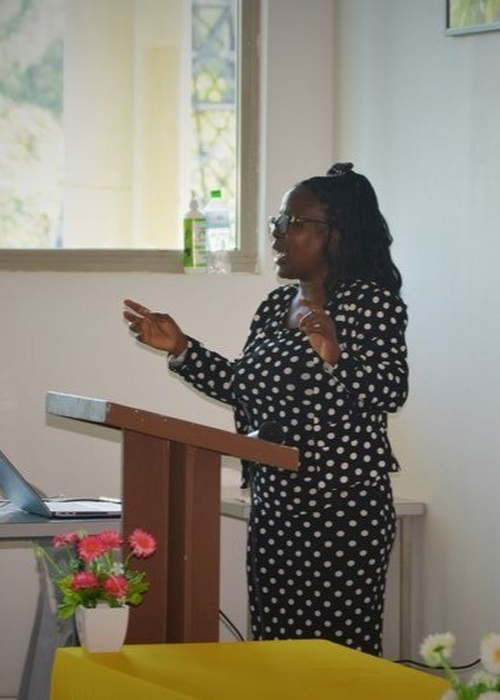
Evelyn Garwe's research portfolio demonstrates a profound commitment to enhancing the quality and internationalization of higher education in Africa, particularly in Zimbabwe. Her work addresses critical themes such as quality assurance, governance, academic integrity, and the role of higher education in national development. Through her extensive research and publications, Garwe contributes significantly to shaping the educational landscape in sub-Saharan Africa.
Quality Assurance and Academic Integrity
One of the primary focuses of Garwe's research is the promotion of quality assurance in higher education institutions. Her evaluation of a quality assurance framework in Zimbabwe highlights the importance of robust mechanisms to ensure the quality of research, innovation, and development within higher education. Garwe emphasizes the role of quality assurance agencies in creating environments that uphold academic integrity and foster excellence in teaching and learning. Her work in this area underscores the necessity of maintaining high standards to enhance the credibility and effectiveness of educational institutions.
Internationalization of Higher Education
Garwe has extensively explored the internationalization of higher education and its implications for national development. Her research discusses the strategic importance of making internationalization a national priority, particularly in the context of Zimbabwe. By examining the role of higher education in fostering global connections and enhancing educational quality, Garwe provides insights into how countries in sub-Saharan Africa can leverage international partnerships to advance their educational and developmental goals. Her contributions to edited volumes and handbooks on the internationalization of higher education in the Global South further establish her as a leading voice in this critical area.
Governance and Ethics in Education
In response to the challenges posed by the fourth industrial revolution and the COVID-19 pandemic, Garwe has investigated the transferability of governance ethics in teaching and learning developments. Her research on distanced higher education assessment amid the pandemic offers valuable perspectives on how educational institutions can adapt to new technological and ethical demands. By focusing on governance and ethics, Garwe highlights the need for educational leaders to foster environments that support ethical practices and innovative approaches to education.
Leadership and Research Cultures
Garwe's work also delves into the role of leadership in building research cultures within sub-Saharan African universities. Her six-nation study emphasizes the critical role that leaders play in nurturing research environments that encourage innovation and knowledge creation. By examining the impact of leadership on research cultures, Garwe provides practical recommendations for enhancing the capacity and effectiveness of universities in Africa.
Academic-Industry Partnerships and Virtual Learning
Recognizing the growing demand for private higher education and the need for inclusive virtual learning, Garwe has explored how academic-industry partnerships can be leveraged to support these developments. Her research highlights the benefits of such partnerships in creating inclusive learning environments that cater to diverse student needs. By promoting collaboration between academia and industry, Garwe advocates for innovative solutions to educational challenges in the region.
Addressing Displacement and COVID-19
Garwe's research also addresses pressing social issues, such as the impact of COVID-19 on internally displaced persons in Zimbabwe. She calls for African solutions to African problems, emphasizing the need for locally-driven responses to global crises. Her work in this area highlights the intersection of education, social justice, and public health, advocating for comprehensive strategies to support vulnerable populations.
Conclusion
Evelyn Garwe's research contributions are pivotal in advancing the discourse on quality assurance, internationalization, governance, and innovation in higher education in Africa. Her work provides valuable insights and practical solutions for enhancing the quality and impact of higher education institutions in Zimbabwe and beyond. By addressing critical issues and promoting strategic initiatives, Garwe's research supports the development of robust educational systems that are responsive to the needs of their communities and capable of contributing to national and regional development.